
Chin & Jawline Contouring
Chin filler and jaw filler can be used to add structure and definition when increased projection or contour may improve facial balance.
Restore Volume. Refine Your Features. Keep Your Results Looking Like You.
Dermal fillers are injectable treatments used to restore lost facial volume, soften certain lines and folds, and enhance features such as the lips, cheeks, chin, and jawline. Many fillers are temporary, and the expected duration depends on the product, treatment area, and individual factors.
Consultation-led dermal fillers
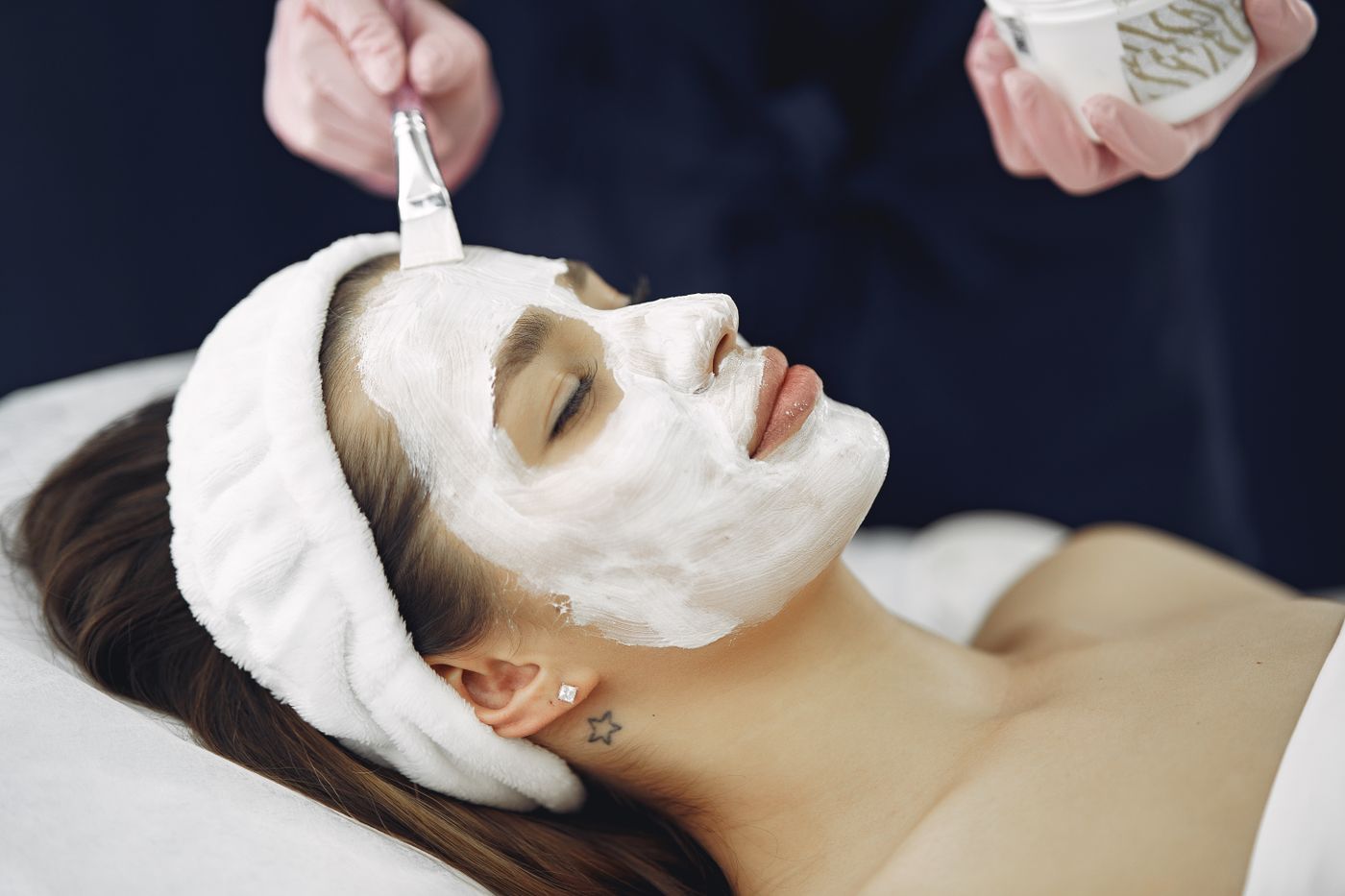
Treatment planned around your facial anatomy, goals, and medical history.
At Mediversity Health, dermal filler treatment begins with a consultation focused on your facial anatomy, goals, medical history, and the changes you actually want to see.
The goal is not simply to add volume. It is to determine where volume may improve balance, contour, or facial proportions.
Serving patients at Mediversity Health locations in Turnersville and Salem County, New Jersey. Dermal fillers are part of Mediversity’s wider range of medical aesthetics treatments.
Dermal fillers are injectable substances placed beneath the skin to add volume, improve facial contours, and soften the appearance of certain wrinkles and folds.
Hyaluronic acid (HA) is one of the most commonly used filler materials. FDA-approved fillers are available for specific facial indications, and different products are designed for different treatment areas and goals.
JUVÉDERM® is one well-known collection of hyaluronic acid dermal fillers. Specific products within the collection have different approved treatment areas and expected durations, so choosing a filler is not simply about choosing a brand.
Your provider can help determine which product and placement approach are appropriate for your anatomy and desired result. For a deeper look at filler types, read our complete guide to dermal fillers.

Different fillers have different materials, properties, approved treatment areas, and expected durations.
Dermal fillers may be considered when the main concern involves loss of volume, facial contour, or certain lines and folds.
Cheek fillers can restore volume to the midface and improve the transition between the cheeks and surrounding facial structures.
Dermal fillers for cheekbones may be used when someone wants more definition or is noticing volume loss in the cheek area.
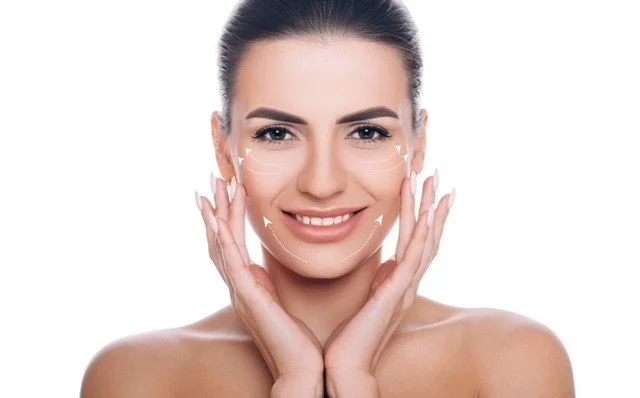
Lip filler injections can add volume, improve definition, and address certain asymmetries.
The amount of filler does not have to be the same for every patient. A treatment plan can be based on the patient’s natural lip shape, facial proportions, and desired degree of enhancement.
Learn more about our lip filler treatment
Chin filler and jaw filler can be used to add structure and definition when increased projection or contour may improve facial balance.
Some wrinkles and folds are influenced by facial volume loss and structural changes. Dermal fillers may soften selected areas by restoring volume beneath the skin. Fillers are different from Botox, which primarily works by temporarily reducing activity in targeted muscles.
Selected filler products may be used for certain under-eye hollowing concerns. The area requires careful assessment because treatment suitability depends heavily on anatomy, product selection, and injector technique.
Rapid weight loss can sometimes reduce facial fullness, resulting in a more hollow or deflated appearance. This is sometimes referred to as “Ozempic face” or GLP-1-related facial volume loss. Dermal fillers are one nonsurgical option that may be considered when the primary concern is loss of facial volume.
A common question is whether dermal fillers are better than Botox. They are designed to address different concerns.
Someone with both volume loss and expression lines may be a candidate for a combination approach, but the appropriate treatment depends on the individual’s anatomy, medical history, and goals.
See our Botox treatment page to compare the two approaches in more detail, or read our Botox vs. fillers guide.
There is no single answer for every filler.
Many dermal fillers provide results lasting several months to around two years, depending on the material, product, location, and individual response.
Some specific JUVÉDERM products have product-specific duration information that varies by treatment area.
Lips often require a different maintenance schedule from areas such as the cheeks because movement and anatomy can affect how long the result remains noticeable.
Which filler is being considered, what it is designed to treat, and how long the expected result may last.
Every appointment follows five steps, from the first conversation about your goals to aftercare and follow-up.
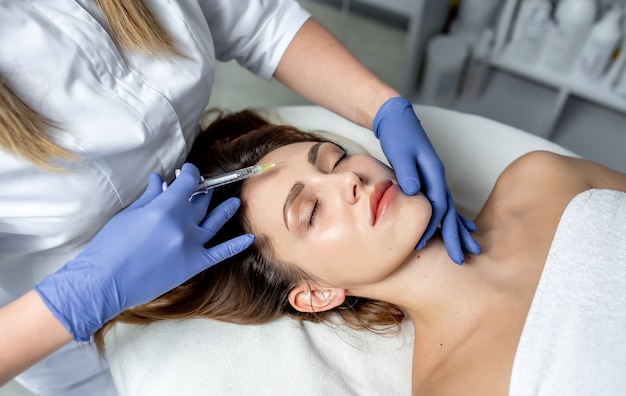
Your provider reviews your goals, relevant medical history, medications, allergies, previous cosmetic treatments, and the area you want to improve.
The treatment area is evaluated in the context of your overall facial structure rather than in isolation. This helps determine whether filler is appropriate and where added volume may or may not make sense.
Your provider discusses the product, treatment area, expected result, possible risks, and practical considerations before treatment.
The selected filler is injected into the planned area using an appropriate injection technique.
You receive instructions regarding what to expect after treatment and when to contact the office if you have concerns.
Dermal fillers are medical procedures, not simply beauty products. Because different fillers and treatment areas have different considerations, your provider should review the specific product and potential risks with you before treatment.
Bruising, redness, swelling, tenderness, pain, itching, and rash can occur.
Infection, nodules, inflammation, allergic reactions, and tissue damage.
When filler is unintentionally injected into a blood vessel, it can interfere with blood supply and may lead to tissue necrosis, vision abnormalities including blindness, or stroke.
Source: U.S. Food and Drug Administration. See also the American Society of Plastic Surgeons overview of dermal fillers.
Dermal filler candidacy is individual. A consultation is especially important if you:
Your provider can determine whether filler is appropriate and whether another treatment may better match your goals. The American Academy of Dermatology also shares guidance on getting the best results from fillers.
There is no single price for dermal fillers.
Mediversity does not publish one universal price for all dermal filler treatments because the appropriate amount and product can differ from patient to patient.
For questions such as lip filler cost, cheek filler cost, how much are lip fillers, or the cost of treating multiple areas, the most useful starting point is an individual treatment plan rather than a generic online estimate.
For pricing questions, call (856) 740-9777 or WhatsApp +1 (856) 436-4487.
Pricing is based on your individual treatment plan.
Before-and-after photos can help patients understand the type of changes a treatment may produce, but individual results vary.
Photos are most useful when you can compare like with like — the same area, a similar product, and a starting point close to your own.
Mediversity Health provides aesthetic services at two New Jersey locations. Want to know who you’ll see? Meet the Mediversity team.
The first step is a consultation to determine whether dermal fillers match your goals and which treatment approach makes sense for your facial anatomy.
Mediversity Health · Turnersville & Salem County, New Jersey. Call (856) 740-9777 or email info@mediversity.com.
Answers about how fillers work, how long they last, side effects, candidacy, and cost.
A dermal filler is an injectable substance placed beneath the skin to restore volume, improve selected facial contours, or soften certain lines and folds. Different fillers have different materials, properties, indications, and expected durations.
Duration varies by product and treatment area. Many fillers last several months to around two years, while some individual products have their own specific duration data.
Neither treatment is universally better. Fillers add volume, while Botox primarily reduces targeted muscle activity. The better option depends on what is causing the concern you want to address.
Some temporary discomfort, tenderness, swelling, or bruising can occur after injections. The amount of discomfort varies by treatment area, product, and individual sensitivity.
Common effects can include swelling, bruising, redness, tenderness, pain, itching, and rash. Less common and rare complications can include infection, nodules, tissue necrosis, vision problems, or stroke following accidental injection into a blood vessel.
Not everyone is a suitable candidate. Suitability depends on medical history, allergies, medications, previous treatments, the condition of the treatment area, and the specific filler being considered. A consultation is necessary to determine whether treatment is appropriate.
Certain filler products have specific indications for under-eye concerns, but the area requires careful assessment because anatomy and product selection are important. Your provider can determine whether treatment is appropriate for your particular under-eye concern.
Many dermal fillers are temporary and gradually become less noticeable as the body processes the material. How long this takes depends on the filler, location, and individual factors.
Lip filler cost depends on the product, amount required, treatment goals, and number of syringes. Mediversity provides pricing based on the treatment plan rather than one universal price.
Fillers can restore volume and soften certain facial changes associated with aging, but they do not stop the aging process and cannot address every type of skin laxity or wrinkle.
Read more from the Mediversity team on fillers, lips, and choosing the right injectable treatment. Browse all articles on the Mediversity blog.
This page is for general information and does not replace an individual medical evaluation. Individual results vary. JUVÉDERM® is a registered trademark of its owner.