
01
1. Skin Assessment
Your visit begins with an assessment of your skin concerns and treatment goals.
For Sun Damage, Pigmentation & Redness
IPL laser treatment, also called an IPL photofacial or photo facial, uses intense pulsed light to improve certain pigmentation and vascular skin concerns. Despite the common search term “IPL laser,” IPL is technically different from a traditional laser because it uses a broad spectrum of light rather than one wavelength.
IPL photofacial at a glance
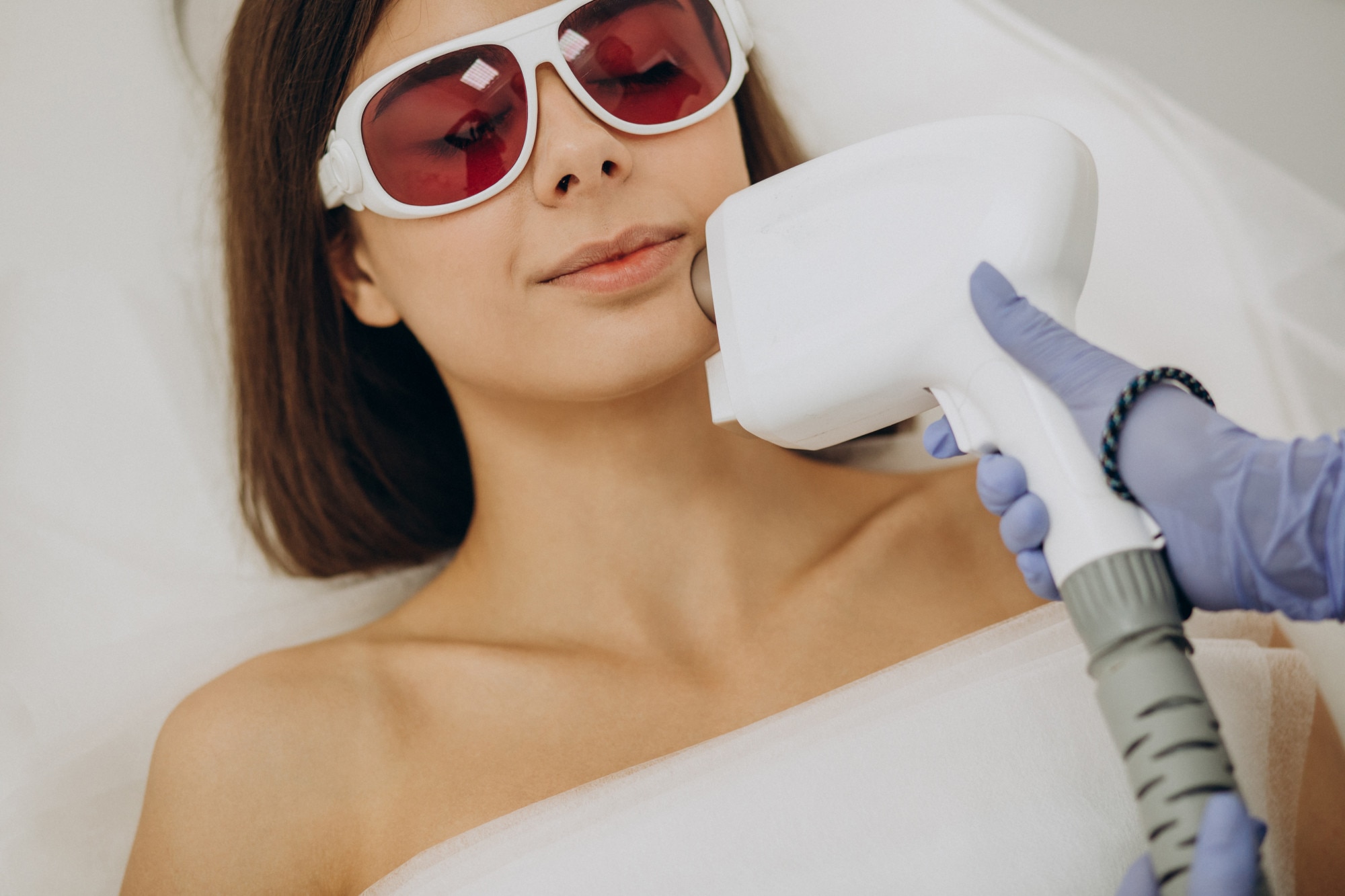
Light-based treatment for pigmentation and redness, planned around your skin.
At Mediversity Health, IPL treatment is offered in South Jersey for concerns such as sun damage, age spots, freckles, uneven pigmentation, facial redness, rosacea-related redness, and visible blood vessels.
The right treatment plan depends on your skin, the concern being treated, and your treatment goals. IPL is one of Mediversity’s medical aesthetics in New Jersey.
IPL stands for Intense Pulsed Light. It is a non-invasive, non-ablative light treatment that delivers controlled pulses of visible light into the skin.
Different wavelengths can interact with different chromophores, or color targets, in the skin. Pigment such as melanin and blood-related targets such as hemoglobin can absorb the light energy, which allows IPL to address certain brown and red discolorations.
This is why IPL is often used as a photofacial for visible sun damage, age spots, freckles, redness and small visible vessels. For a deeper look, read our IPL laser treatment guide.
Uses multiple wavelengths of light in each pulse.
Generally uses one specific wavelength.
The two technologies can overlap in some cosmetic goals, but they are not interchangeable.
IPL treatment is most useful when the main concern involves unwanted pigment, redness, or certain superficial vascular changes. Common treatment goals include:
IPL may also be used for unwanted hair in some treatment settings, but the goal and treatment approach are different from an IPL photofacial focused on pigmentation and redness.
Years of sun exposure can leave behind brown spots, freckles and uneven pigmentation. IPL can target pigment in the skin and improve the appearance of some sun-related discoloration.
When IPL is being considered for dark spots or other facial pigmentation, the important question is not simply whether IPL can treat pigment. It is whether the particular type of pigmentation is appropriate for IPL.
Not every dark spot is the same. A proper evaluation helps determine whether IPL is appropriate or whether another treatment or medical evaluation is more suitable.
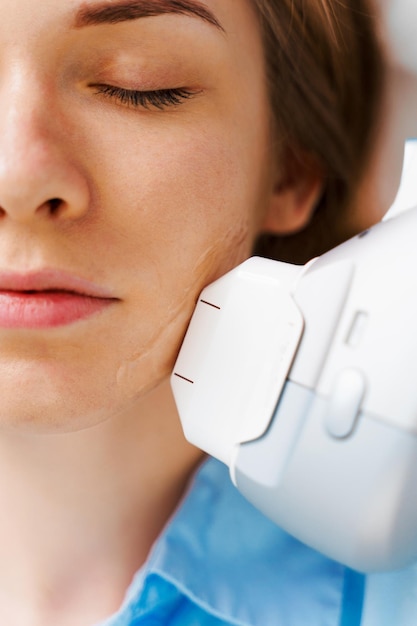
IPL can also target certain vascular concerns that make the skin look persistently red or flushed.
IPL can be used to reduce certain aspects of rosacea-related redness and improve the appearance of visible blood vessels. It may also be used for visible vessels and telangiectasia because the light energy can be absorbed by blood-related chromophores.
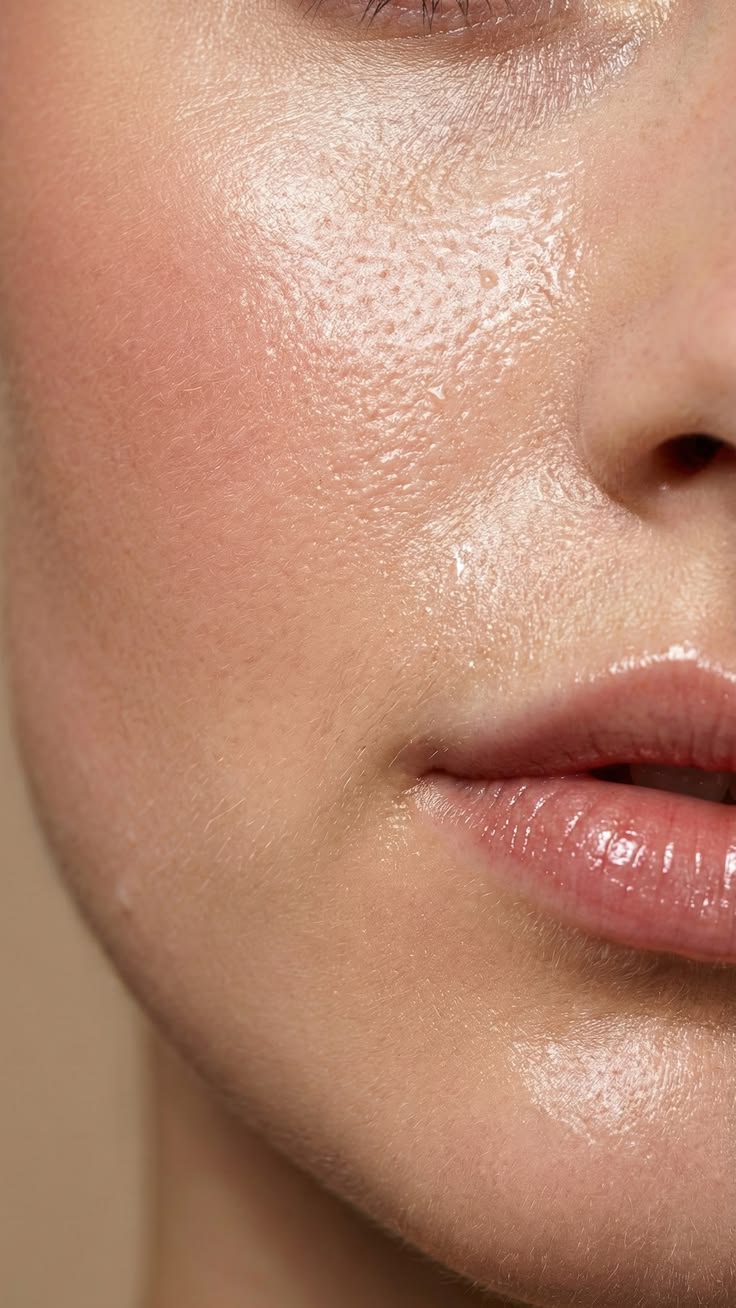
IPL does not mean every type of redness should automatically be treated with light, which is one reason consultation and proper assessment are important before treatment.
IPL is primarily useful for pigmentation and vascular concerns. It can contribute to an overall more even-looking complexion and may improve aspects of photodamaged skin, but it is not a substitute for a surgical lift and should not be presented as a treatment that removes significant sagging skin.
This distinction matters when comparing IPL with treatments designed primarily around collagen remodeling or skin texture.
For concerns such as acne scars, texture and collagen stimulation, microneedling for skin texture is a different treatment option. Mediversity’s microneedling service focuses on controlled micro-injuries and collagen production for texture-related concerns.
IPL is not a lift. It is best suited to pigment and redness — not significant sagging or loose skin.
There is no universal answer to whether IPL is “better” than microneedling. They are designed around different skin concerns.
The better option depends on what you are actually trying to improve. Some treatment plans may use different modalities at different times, but combinations should be considered based on your skin and treatment goals.
Mediversity also offers other facial treatments such as Botox treatment and dermal fillers, which address different concerns again.
IPL may be considered for adults who want to improve visible concerns such as:
IPL can cause unwanted pigment changes in some patients, particularly when the skin absorbs too much energy. Proper assessment, experienced treatment and appropriate eye protection are important parts of safe IPL treatment.
Treatment sessions typically take about 20 to 45 minutes, depending on the area being treated.
Most people describe IPL as uncomfortable rather than severely painful. The sensation varies from person to person and depends on the treatment area, settings and individual sensitivity.
Cooling is commonly used during IPL treatment, and topical anesthetic may be used in some situations, although it is not always necessary.
Your visit begins with an assessment of your skin concerns and treatment goals.
Once treatment is considered appropriate, the treatment area is prepared and a cooling gel may be applied. Protective eyewear is used during treatment.
A handheld IPL device delivers controlled pulses of light to the skin. The sensation is commonly described as a quick warm snap or light rubber-band sensation.
Your provider gives you specific aftercare instructions based on your treatment, including sun protection.
Your skin may look different immediately after treatment, especially when pigment or vascular concerns are being treated.
Treated pigment may temporarily appear darker before gradually fading or flaking. Redness and visible vessels may take additional time to settle. Your provider should give you specific aftercare instructions based on your treatment.
Sun protection is an important part of IPL treatment. Avoiding significant sun exposure before and after IPL can help reduce the risk of complications and protect the skin from additional UV damage.
Follow the aftercare instructions provided by your Mediversity provider, especially regarding sun exposure, skincare products and activities after treatment.
One IPL session can produce visible changes for some concerns, but many patients need a series of treatments.
Many skin concerns respond best to a series of 3 to 5 IPL treatments spaced approximately 3 to 4 weeks apart. The exact number depends on the concern, response to treatment and treatment plan — a consultation is a better way to estimate your plan than relying on a fixed number.
IPL can improve existing pigmentation and redness, but it does not stop new sun damage or other causes of skin aging. Results can change over time, especially with continued sun exposure. Consistent sun protection and a suitable skincare routine help, and your provider can discuss whether maintenance treatments make sense.
IPL treatment cost can vary depending on the treatment area, your skin concerns, the complexity of the treatment plan and the number of sessions recommended.
Mediversity does not publish a single universal IPL price. Instead, pricing depends on goals, treatment complexity and session count, with treatment options discussed during consultation.
For current pricing, call (856) 740-9777, contact Mediversity, or discuss your treatment plan during your consultation.
Pricing is discussed as part of your consultation and treatment plan.
Mediversity offers IPL Laser Treatment as part of its medical aesthetics services, available at both its Turnersville and Salem County locations. Treatment planning begins with an assessment of your goals, medical history and suitability. Meet the Mediversity team.
If you are considering IPL laser treatment for sun damage, pigmentation, redness or visible vessels, start with a consultation. Your provider can examine the area you want to treat, discuss your goals, assess whether IPL is appropriate for your skin, and explain what kind of results and recovery you should expect.
Call (856) 740-9777 or email info@mediversity.com.
Answers about what IPL treats, downsides, sessions, cost, and how long results last.
IPL is commonly used to improve certain pigmentation and vascular skin concerns, including sun spots, age spots, freckles, facial redness and visible blood vessels. It is also used for photorejuvenation.
IPL can cause temporary redness, tenderness, swelling or a sunburn-like sensation. Less common complications include blistering and changes in skin pigmentation. Suitability also varies by skin type, the condition being treated and other individual factors.
Age alone does not rule out IPL. IPL is used to address signs of photodamage such as age spots, uneven pigmentation and some vascular changes. Whether it is appropriate depends on the condition being treated and the person's skin and medical history.
Some people notice improvement after one session, but many concerns are treated with a series rather than a single session. The number of treatments depends on the skin concern and individual response.
IPL can improve the appearance of some age spots and other flat pigmented lesions. The exact cause and type of a pigmented spot should be assessed before cosmetic treatment.
Neither treatment is universally better. IPL is mainly used for pigment and vascular concerns, while microneedling is more focused on texture and collagen remodeling. The appropriate choice depends on what you want to improve.
IPL may improve the overall appearance of photodamaged skin, but it should not be considered a treatment for significant sagging or a substitute for a lifting procedure. A consultation can help determine which treatment is appropriate for your concern.
There is no single IPL price that applies to every patient. Cost can vary according to treatment area, goals, complexity and number of sessions. Mediversity discusses pricing as part of the consultation and treatment plan.
Results vary according to the skin concern, treatment response and ongoing sun exposure. IPL improves existing visible concerns, but it does not prevent new sun damage from developing. Sun protection is an important part of maintaining results.
This page is for general information and does not replace an individual medical evaluation. Individual results vary. Concerned about a changing or unusual spot? Have it checked medically — our primary care in New Jersey team can help.