In this article
The Question Nobody Wants to Ask
Many people wonder whether their struggles are ‘bad enough’ to see a therapist. They compare their situation to others who seem to have it worse, or they tell themselves they should be able to handle it alone. This internal debate — while understandable — causes millions of people to delay getting help that could significantly improve their lives.
At Mediversity’s behavioral health department in Turnersville, NJ, we see patients who waited years to seek help they needed much sooner. Our message: you do not have to be in crisis to benefit from therapy.
Clear Signs It Is Time to See a Therapist
1. Feeling Overwhelmed Most of the Time
When stress or negative emotions feel unmanageable most days — not just occasionally — that is a signal worth taking seriously. Chronic overwhelm, while not the same as clinical depression or anxiety, takes a significant toll on mental and physical health.
2. Struggling to Function Day-to-Day
If emotional or psychological difficulties are affecting your ability to work, maintain relationships, care for yourself or your family, or handle daily responsibilities, therapy can help you regain functional stability.
3. Something Traumatic Has Happened
Trauma — whether from a single event (accident, assault, loss) or chronic exposure (childhood adversity, abusive relationships) — rarely resolves completely on its own. Therapy provides tools to process traumatic experiences before they solidify into more serious conditions like PTSD.
4. You Are Using Substances or Unhealthy Behaviors to Cope
Turning to alcohol, drugs, food, gambling, or other behaviors to manage emotional pain is a warning sign. These coping mechanisms provide temporary relief while making the underlying problem worse.
5. Your Relationships Are Suffering
Frequent conflicts with partners, family members, or colleagues — or a pattern of relationships that feel difficult or unfulfilling — often reflect unresolved emotional patterns that therapy can address.
6. You Have Lost Interest in Things You Used to Enjoy
Anhedonia — the inability to feel pleasure from activities that previously brought enjoyment — is a core symptom of depression and signals that professional support is warranted.
7. You Are Having Thoughts of Harming Yourself
Any thoughts of self-harm or suicide require immediate professional attention. Please reach out to a mental health provider, call or text 988 (the Suicide and Crisis Lifeline), or go to your nearest emergency room.
8. You Feel Disconnected from Reality
Feeling detached from yourself, your surroundings, or others (dissociation or derealization) is a significant symptom that deserves evaluation.
9. Physical Symptoms Without Clear Medical Cause
Unexplained headaches, gastrointestinal problems, chronic pain, fatigue, or other physical symptoms that do not have a clear medical explanation are often connected to psychological distress. The mind-body connection is real and powerful.
You Do Not Need to Be in Crisis to Benefit from Therapy
Therapy is not only for people in acute psychiatric distress. Many people benefit from therapy to:
- Navigate major life transitions (divorce, job change, retirement, parenthood)
- Improve communication in relationships
- Develop better stress management skills
- Work through grief and loss
- Build self-confidence and address self-limiting beliefs
- Clarify values and life direction
Think of therapy the way you think about preventive medical care: it is most valuable not just in crisis, but as an ongoing investment in mental wellness.
What Type of Therapy Is Right for You?
- CBT (Cognitive Behavioral Therapy): Best for anxiety, depression, OCD, and specific phobias
- DBT (Dialectical Behavior Therapy): Excellent for emotional regulation, borderline personality traits, and self-harm
- EMDR (Eye Movement Desensitization and Reprocessing): Highly effective for trauma and PTSD
- Talk therapy / Supportive therapy: Valuable for processing life events and developing coping skills
- Couples or family therapy: Addresses relational patterns and communication
Taking the First Step in South Jersey
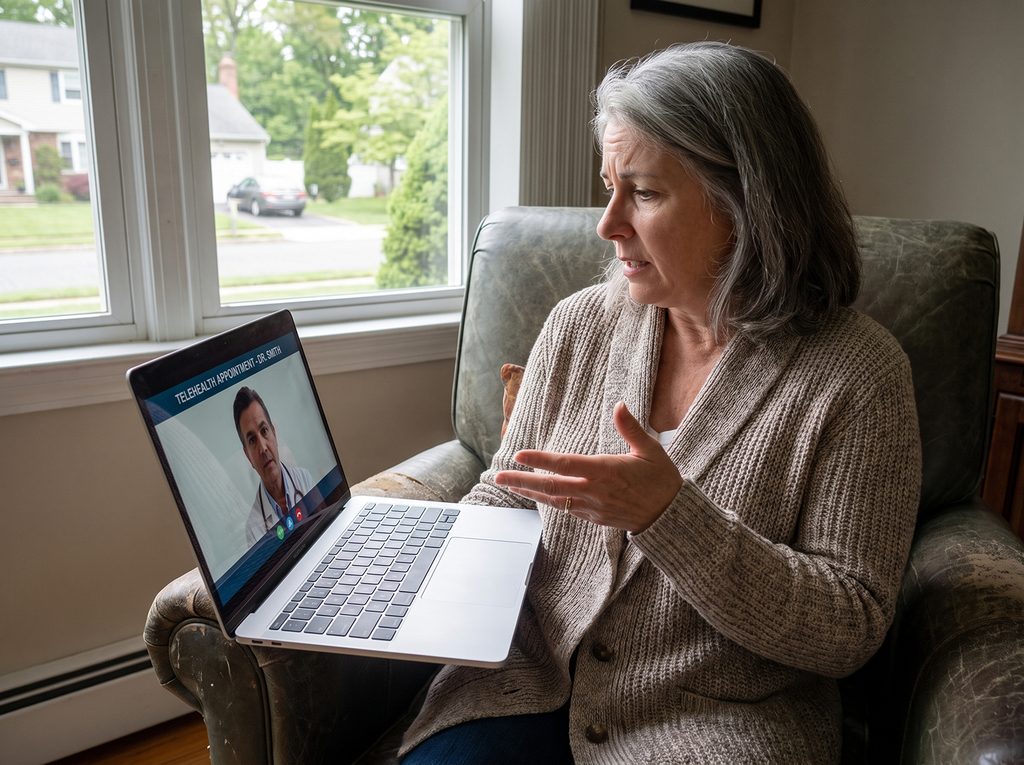
If any of the signs above resonate with you, the most important thing you can do is reach out. At Mediversity in Turnersville, NJ, our behavioral health team provides individual therapy, psychiatric evaluation, and medication management. Telehealth options are available for established patients. Learn more about our behavioral health services or schedule your first appointment today.