In this article
Microneedling vs. Chemical Peels: Which Treatment Is Right for You?
Two of the most effective skin rejuvenation treatments available at Mediversity in Turnersville, NJ are microneedling and chemical peels. Both address common skin concerns like uneven texture, hyperpigmentation, and fine lines — but through very different mechanisms. Understanding the differences helps you choose the right treatment for your skin goals.
How Microneedling Works
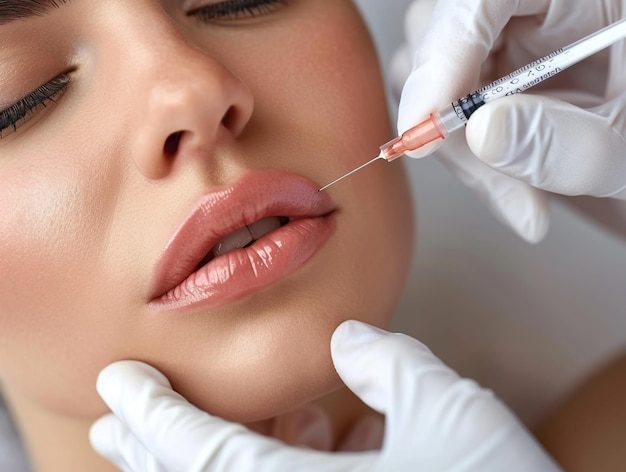
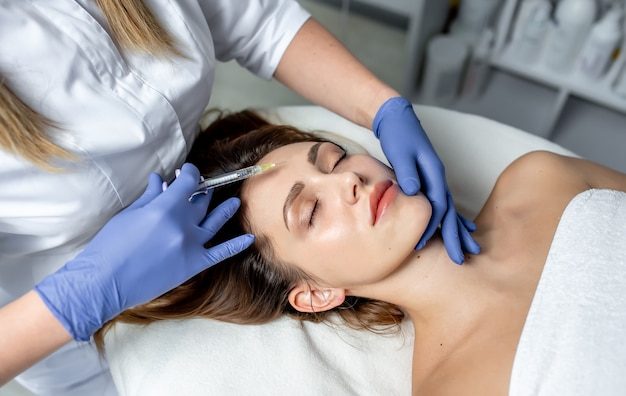
Microneedling uses a device with fine needles to create controlled micro-injuries in the skin. This triggers the skin’s natural wound-healing response, stimulating collagen and elastin production. The result is thicker, firmer, more youthful-looking skin over time. The treatment also enhances absorption of topical serums applied during or after the procedure.
Best for: Acne scars, large pores, fine lines, skin laxity, stretch marks, and overall skin texture improvement.
How Chemical Peels Work
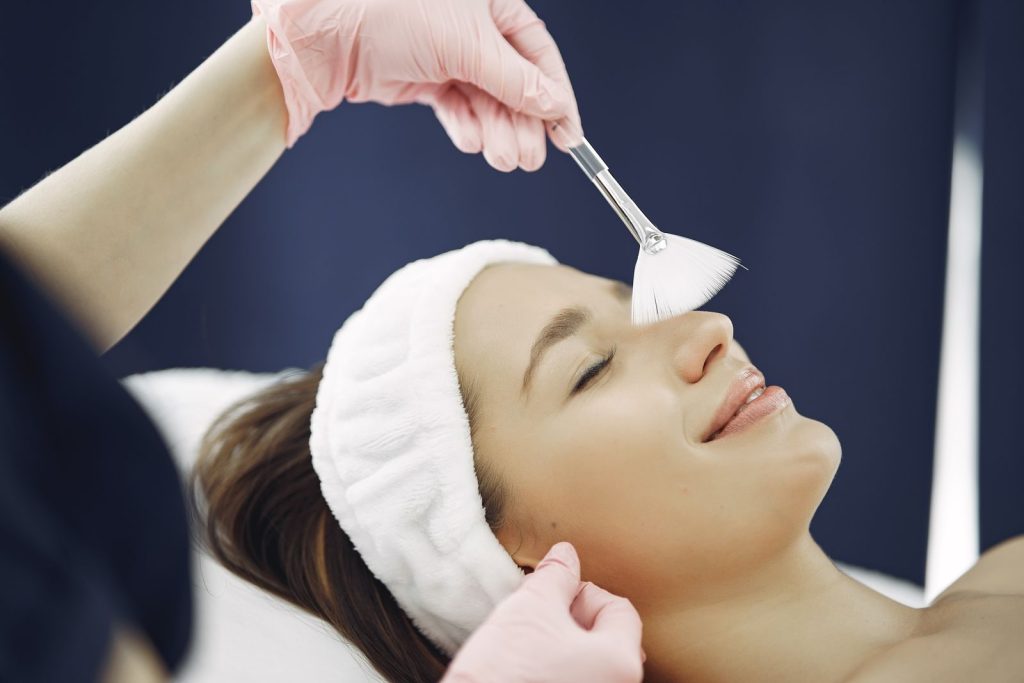
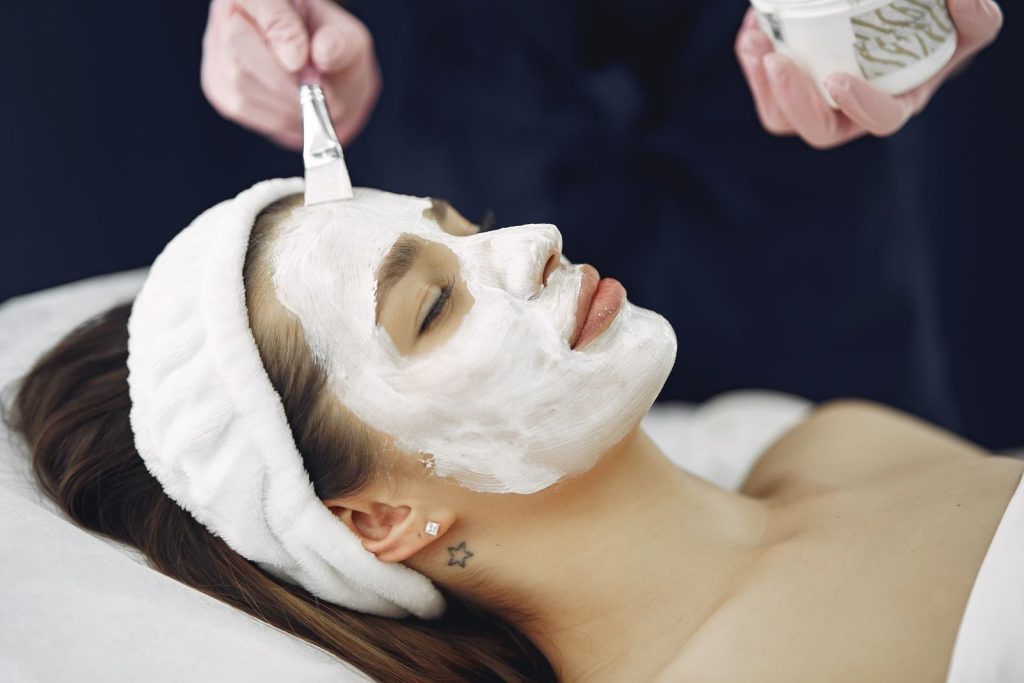
Chemical peels use acid solutions (glycolic, salicylic, lactic, TCA) to remove the outer layers of skin. As the treated skin peels away over the following days, fresh, new skin is revealed. Different peel depths — superficial, medium, or deep — target different skin concerns at different skin layers.
Best for: Sun damage, hyperpigmentation, dark spots, uneven skin tone, mild acne, and fine lines.
Head-to-Head Comparison
Downtime
- Microneedling: Redness and mild swelling for 24–48 hours. Most patients return to normal activities the next day.
- Chemical peels: Varies by depth. Light peels have minimal downtime (1–3 days of flaking). Medium to deep peels require 5–14 days of peeling and redness.
Pain Level
- Microneedling: Mild to moderate discomfort. Topical numbing cream is applied beforehand.
- Chemical peels: Stinging and burning during application. Superficial peels are mild; deeper peels require sedation or strong anesthesia.
Results Timeline
- Microneedling: Skin glows immediately but collagen benefits build over 4–6 weeks. Full results from a series of 3–6 treatments appear over 3–6 months.
- Chemical peels: Fresh skin visible within 7–14 days once peeling is complete. Ongoing improvement with series of treatments.
Skin Type Suitability
- Microneedling: Safe for all skin tones including darker complexions (Fitzpatrick IV–VI) with minimal risk of post-inflammatory hyperpigmentation.
- Chemical peels: Medium and deep peels carry higher risk of hyperpigmentation for darker skin tones. Superficial peels are generally safe for all skin types.
Can You Combine Both Treatments?
Yes — many patients benefit from a combination approach. Chemical peels excel at clearing surface-level pigmentation and texture, while microneedling works deeper to remodel collagen. Our physicians can design a treatment series that uses both modalities strategically for comprehensive skin rejuvenation.
Which Should You Choose?
- If you have acne scars or skin laxity, microneedling is typically the better choice.
- If you have sun damage, dark spots, or significant hyperpigmentation, a chemical peel may produce faster pigment correction.
- If you want overall skin rejuvenation, both treatments complement each other well.
- If you have darker skin tone, microneedling is the safer first choice.
The best approach is a consultation with our aesthetic team at Mediversity. We assess your skin, discuss your goals, and recommend the treatment (or combination) that will give you the best results for your specific skin type and concerns.